What Texas Homeowners Should Know About the Roof Insurance Claim Process
Going through the insurance claims process is often stressful, time-consuming, and confusing—but it’s also a fact of life here in Texas. Between hailstorms, high winds, and sudden severe weather, many homeowners in the Austin and Georgetown area will eventually need to file a roof insurance claim.
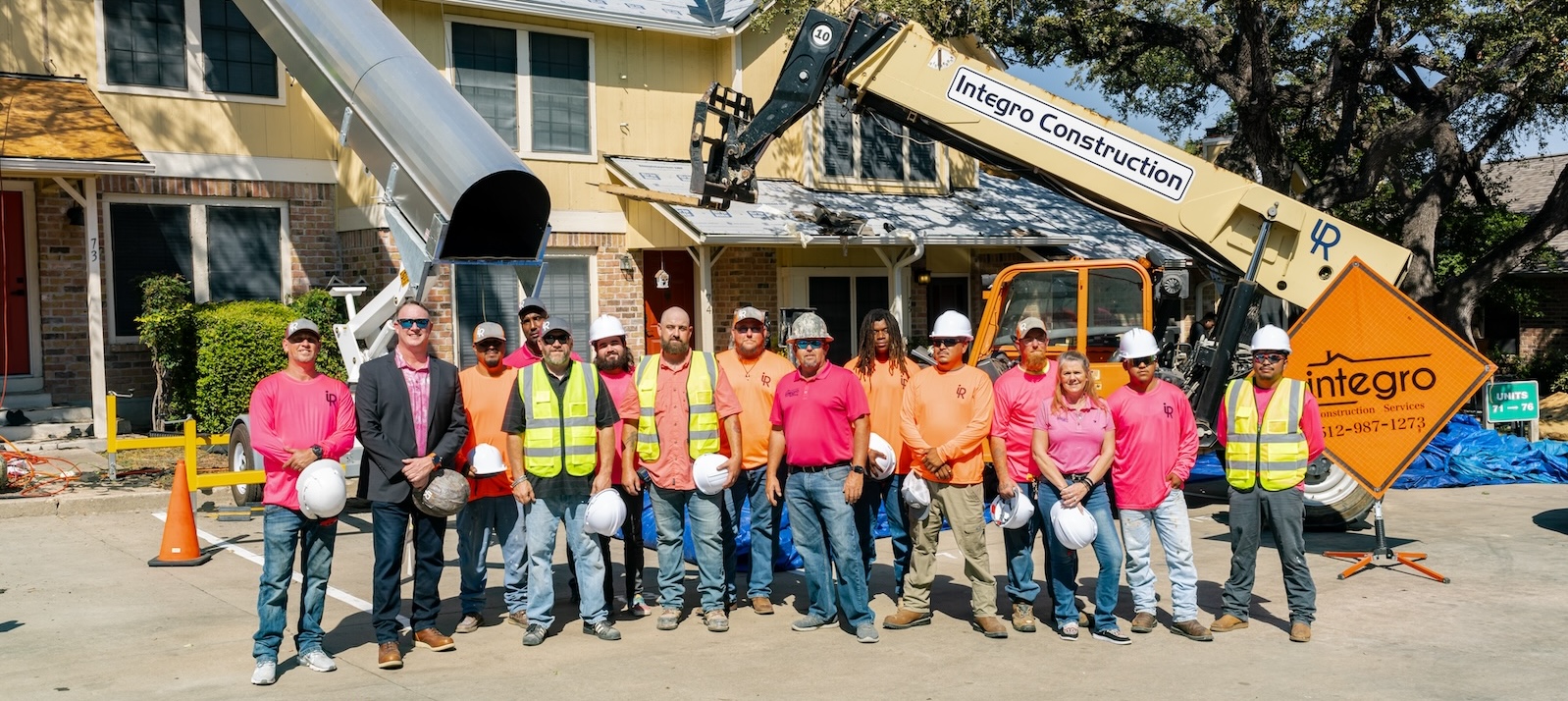
Luckily, Integro Construction Services founder and owner Harley Coons spent years in the insurance industry, giving our team a leg up compared to other local roofers when it comes to going through this process.
While we are not public adjusters, we will help as much as we legally can.* Here’s what homeowners need to know about the roof insurance claim process Texas residents face during storm season.
Step 0: Know Your Policy
The first step of the insurance claims process actually comes well before any storms hit: reviewing your homeowners insurance policy.
Too often homeowners are surprised by what their policy doesn’t cover, or doesn’t cover as fully as they thought. More and more, Texas insurance providers are changing the way they cover homes in our state due to the elevated risk of storm damage. Homeowners are often caught unaware when their policies shift from Replacement Cost Value (RCV) to Actual Cash Value (ACV) coverage for roofs, for example.
All of this matters because the type of policy you have will directly impact what financial help you can expect for a roof replacement. Before storm season ramps up in Central Texas, take time to confirm:
- Whether your roof is covered under RCV or ACV terms
- Your deductible (many Texas policies now have separate wind and hail deductibles)
- Any exclusions or special endorsements related to roofing materials
Understanding your coverage ahead of time makes the roof insurance claim process far smoother if you ever need to file.

Step 1: Schedule an Inspection
Immediately following a storm, homeowners should perform a walkthrough of their property to check for signs of storm damage. Clear signs of storm damage include:
- Missing, lifted, or creased shingles
- Dents in metal flashing, gutters, or vents
- Granules collecting in downspouts
- Water stains on ceilings or walls
- Debris impacts from fallen branches
Even if there are no obvious signs of damage, it’s a good idea to call a roofer if major hail or damaging winds were reported in your area. There’s little downside to getting an inspection that reveals no damage—most reputable roofers offer residential inspections for free.
The risks of overlooking storm damage are far greater. Small issues can turn into active leaks, interior damage, and mold growth. In many cases, waiting too long to address damage may even complicate your roof insurance claim.
Step 2: Assess & Document Damage
During an inspection, your roofer should check thoroughly for storm damage. This includes evaluating the roof’s surface, flashing, vents, and penetrations, as well as looking inside the attic for signs of water intrusion. Siding, gutters, windows, and other exterior components should also be reviewed.
A good roofer will fully document and detail their findings with photographs and written notes. This documentation can be essential when filing a roof insurance claim and communicating with your insurance provider.
When the inspection is complete, an experienced contractor should give you a clear and honest assessment. If damage isn’t significant enough to warrant an insurance claim, they should say so. If it is, they’ll advise you on the next steps and explain what to expect during the roof insurance claim process Texas homeowners typically go through.
Step 3: Alert Your Insurance Provider
If the damage is substantial, the next step is contacting your insurance provider to begin filing a claim. You’ll provide basic information about the storm event and the damage observed.
Your insurer will then schedule an adjuster to inspect the property. It’s generally a good idea to have your roofer present during this visit. A roofing contractor can help ensure that all storm-related damage is properly identified and discussed.
Step 4: Approval and Replacement
If your roof insurance claim is approved, most insurance providers will issue an initial payment based on their estimate. This typically covers a portion of the total cost, minus your deductible and any depreciation if applicable.
Once the roof replacement is completed and final documentation is submitted, the remaining funds are usually released.
At that point, you’ll have a new roofing system designed to better protect your home against future Texas storms. Choosing durable materials and proper installation is especially important in our region, where hail and high winds are common.
What If My Insurance Claim Is Denied?
Unfortunately, insurance claims can be denied in some cases—but a denial doesn’t always mean the end of the road.
If your roof insurance claim is denied, you can request clarification from your insurance provider and review the adjuster’s findings. In some cases, additional documentation, photographs, or contractor reports can support a reconsideration or refiled claim.
If further review does not change the outcome, it’s important not to leave the roof in a damaged state. Even minor storm damage can worsen over time, and a simple roof repair may be able to address these issues. Many reputable roofing companies offer financing options or flexible payment plans to help homeowners move forward with necessary repairs or replacement.
The key is addressing the issue promptly rather than allowing it to create more costly problems later.
Before the Storm: Have a Go-To Roofer
We actually skipped a step at the beginning of this article. Before a storm ever hits, it’s a good idea to have a trusted roofer you can call right away for an honest, thorough inspection of your property.
At Integro Construction Services, we’re the go-to storm damage roofer serving Georgetown and the greater Austin, TX area. Our background in insurance combined with full-scale construction expertise means we can help homeowners understand the roof insurance claim process and fully restore their homes after a storm.
If you’re impacted by storm damage this season, call 512-987-1273 or reach out to us online to schedule a roof inspection from our experts.
* NOTE: Integro Construction Services and its authorized representatives are NOT acting as Public Insurance Adjusters and will not negotiate with insurance on Customer’s behalf.